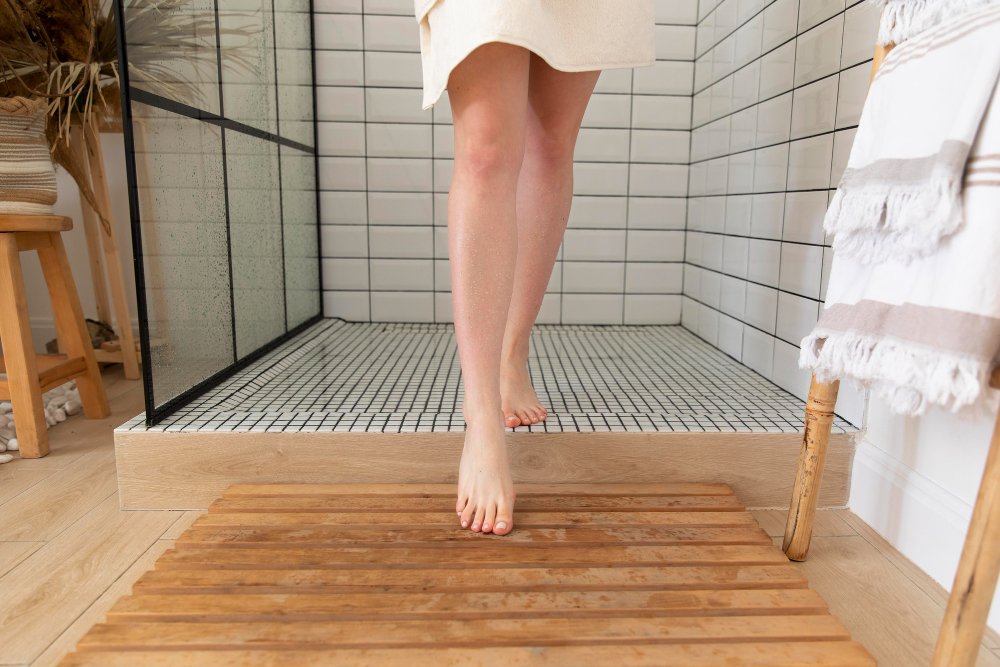
When homeowners imagine a beautiful new shower, they usually picture elegant tile, frameless glass, and stylish fixtures. Yet one of the most important components of the entire system is never seen after construction is complete. If you’ve been asking, “what is a shower liner?”, you’re already focusing on one of the most critical elements of a successful bathroom remodel.
A shower may appear completely waterproof once the tile is installed, but appearances can be misleading. While tile, grout, and stone surfaces are designed to resist water, they are not completely waterproof. Small amounts of moisture naturally work their way beneath the finished surface over time. Without proper waterproofing underneath, that moisture can eventually reach the subfloor, framing, and surrounding walls, leading to expensive repairs that often remain hidden until significant damage has already occurred.
Fortunately, this risk can be greatly reduced with one essential component: the shower pan liner. Installed beneath the finished shower floor, this waterproof membrane quietly protects the home’s structure every day by directing water safely toward the drain before it can penetrate the building materials below.
This guide explains how shower liners work, why they matter, and how proper installation helps create a shower that remains beautiful and dependable for years to come.
The Problem: Water Doesn’t Stop at the Tile
One of the biggest misconceptions about tiled showers is that the tile itself provides complete waterproofing. In reality, tile and grout form the decorative surface of the shower—not the waterproof barrier beneath it.
Every time the shower is used, tiny amounts of water can pass through grout joints, microscopic pores, and natural movement within the installation. Under normal conditions, this isn’t a problem because a properly constructed waterproofing system is designed to collect that moisture and safely direct it to the drain.
Without that hidden protection, however, water continues traveling downward. Over weeks, months, or years, moisture can begin affecting wooden framing, subfloor materials, insulation, and adjacent walls. Because this process often happens out of sight, homeowners may not recognize the problem until repairs become extensive.
Tile and grout are water-resistant—not waterproof. Without a properly installed shower liner beneath the finished surface, moisture can penetrate into the subfloor, framing, insulation, and surrounding building materials, increasing the risk of leaks, mold, and structural damage.
Warning signs don’t always appear immediately, but common symptoms of hidden water intrusion include:
- Persistent musty odors inside the bathroom.
- Loose or cracked floor tiles.
- Discolored grout that never completely dries.
- Water stains on ceilings below upper-floor bathrooms.
- Mold or mildew developing outside the shower enclosure.
- Soft or damaged flooring surrounding the shower.
| Without Proper Waterproofing | With a Proper Shower Liner |
|---|---|
| Moisture reaches framing and subfloor. | Water is directed safely toward the drain. |
| Hidden leaks may develop. | Structural materials remain protected. |
| Greater potential for mold and mildew. | Reduced moisture exposure beneath the shower. |
| Costly repairs may become necessary. | Long-term durability is significantly improved. |
The good news is that nearly all of these problems are preventable when waterproofing is planned correctly from the beginning.
Why It Happens
To understand what is a shower liner, it helps to think of it as a hidden drainage system rather than simply another construction material. Its purpose is not to stop every drop of water from passing through the tile. Instead, it creates a waterproof barrier underneath the finished shower floor that safely captures and redirects moisture before it can damage the home’s structure.
A properly installed shower pan liner works together with the shower’s sloped base and drain assembly. As water naturally migrates beneath the tile surface, gravity guides it across the waterproof membrane toward specially designed drain openings where it exits the shower safely.
Several waterproofing systems are commonly used in modern shower construction:
- PVC liners — Durable, flexible, and widely used in residential bathrooms.
- CPE liners — Highly flexible membranes known for excellent longevity and resistance to temperature changes.
- Surface-applied waterproof membranes — Modern systems installed directly beneath the tile to create a continuous waterproof barrier.
A properly installed shower pan liner forms a waterproof barrier beneath the shower floor, safely directing moisture toward the drain before it can reach the framing, subfloor, or surrounding building materials.
Although each waterproofing system uses a different installation method, they all share the same objective: protecting the home’s hidden structural components while allowing the finished shower to perform reliably for many years.
Common Mistakes That Lead to Shower Failure
Even the highest-quality waterproofing materials cannot compensate for poor installation practices. In fact, many shower failures are not caused by defective products but by small construction errors that allow moisture to bypass the waterproofing system.
One of the most common mistakes is installing a liner over a flat shower base. Without a properly constructed preslope beneath the waterproof membrane, water can collect instead of flowing efficiently toward the drain. Over time, trapped moisture may contribute to unpleasant odors, mold growth, and premature deterioration of the shower assembly.
Another frequent issue involves incorrect fastener placement. Nails or screws driven through the liner below the recommended height create openings that allow water to escape into the surrounding structure. Even a small puncture can compromise the performance of the entire waterproofing system.
Other installation mistakes include:
- Skipping the preslope beneath the liner.
- Improper drain installation or blocked weep holes.
- Cutting or puncturing the waterproof membrane.
- Incorrectly folded liner corners.
- Failing to perform a flood test before tile installation.
- Attempting complex waterproofing without sufficient experience.
| Incorrect Installation | Professional Installation |
|---|---|
| Flat shower base | Properly sloped waterproof foundation |
| Exposed or punctured liner | Continuous waterproof membrane with protected fasteners |
| Blocked drain pathways | Proper drainage toward functioning weep holes |
| Hidden moisture accumulation | Efficient moisture management beneath the tile |
These issues may remain hidden for months or even years before visible signs appear. That is why proper construction practices are every bit as important as selecting quality waterproofing materials.
The Solution: Building a Long-Lasting Waterproof Shower
A durable shower begins long before the first tile is installed. Successful waterproofing depends on careful planning, quality materials, and precise workmanship throughout every stage of construction.
Professional installers understand that the shower liner is only one component of a complete waterproofing system. The preslope, drain assembly, waterproof corners, curb construction, and final flood test all work together to ensure long-term performance.
Professional waterproofing typically includes:
- Properly constructed preslope beneath the waterproof membrane.
- Correct installation of the shower pan liner.
- Secure drain connection with unobstructed weep holes.
- Carefully folded waterproof corners.
- Leak-resistant curb construction.
- Flood testing before tile installation begins.
- Final inspection of the complete waterproofing system.
Flood testing deserves special attention because it verifies that the waterproofing system performs as intended before expensive finish materials are installed. Identifying a leak during testing is far easier—and far less costly—than discovering hidden water damage months after the shower is complete.
Equally important is selecting the right waterproofing system for the project. Whether using a traditional PVC or CPE liner or a modern surface-applied membrane, every component should be compatible with the overall shower assembly and installed according to manufacturer specifications.
Best Practices for Every Bathroom Remodel
If you’re planning a bathroom renovation and wondering what is a shower liner, remember that the waterproofing system is one of the few parts of the shower that cannot be easily inspected after construction is finished. Investing in proper installation from the beginning protects every visible feature that comes afterward.
Before your project begins, discuss waterproofing with your contractor and ask questions such as:
- Which waterproofing system will be installed?
- Will a preslope be constructed beneath the liner?
- How will the drain assembly be waterproofed?
- Will the shower undergo a flood test before tile installation?
- Who is responsible for inspecting the completed waterproofing?
These conversations help ensure the finished shower is built on a reliable foundation rather than assumptions.
Although homeowners rarely see the shower pan liner after construction is complete, it quietly performs one of the most important jobs in the bathroom. By directing moisture safely toward the drain and protecting the home’s structural components, it helps preserve the beauty, durability, and value of the entire remodeling investment.
Conclusion
Understanding what is a shower liner allows homeowners to appreciate one of the most important yet least visible components of a professionally built shower. While tile, glass, and fixtures create the finished appearance, the waterproofing system hidden beneath them protects the structure from costly moisture damage every single day.
A properly installed shower pan liner, combined with correct slope, reliable drainage, and professional workmanship, forms the foundation of a long-lasting shower. By making waterproofing a priority before construction begins, homeowners can enjoy a beautiful bathroom with greater confidence that it will continue performing reliably for many years.